
🗞️ News from Core Lab - Summer is Over (Sept '26)
The latest updates from Core Lab, including a deep dive into CrowdSec WAFs, Jellyfin streaming optimization, and homelab security.

Hello everyone, it's been a busy few weeks in the lab! I've been aggressively locking down the server infrastructure, squashing IP conflicts, and pushing the limits of my dual media streaming stack. Since there's been so much happening behind the scenes, I thought it was time for a quick rollup to highlight the new guides hitting the site today. I'll be getting back to a more regular posting frequency here soon.
As always, thank you for the continued support, and let me know in the comments what homelab topics you want to see tackled next!
You can also read the previous update, What's Up in the Lab? July '26.
New Key Tech 🖥️ Guides:
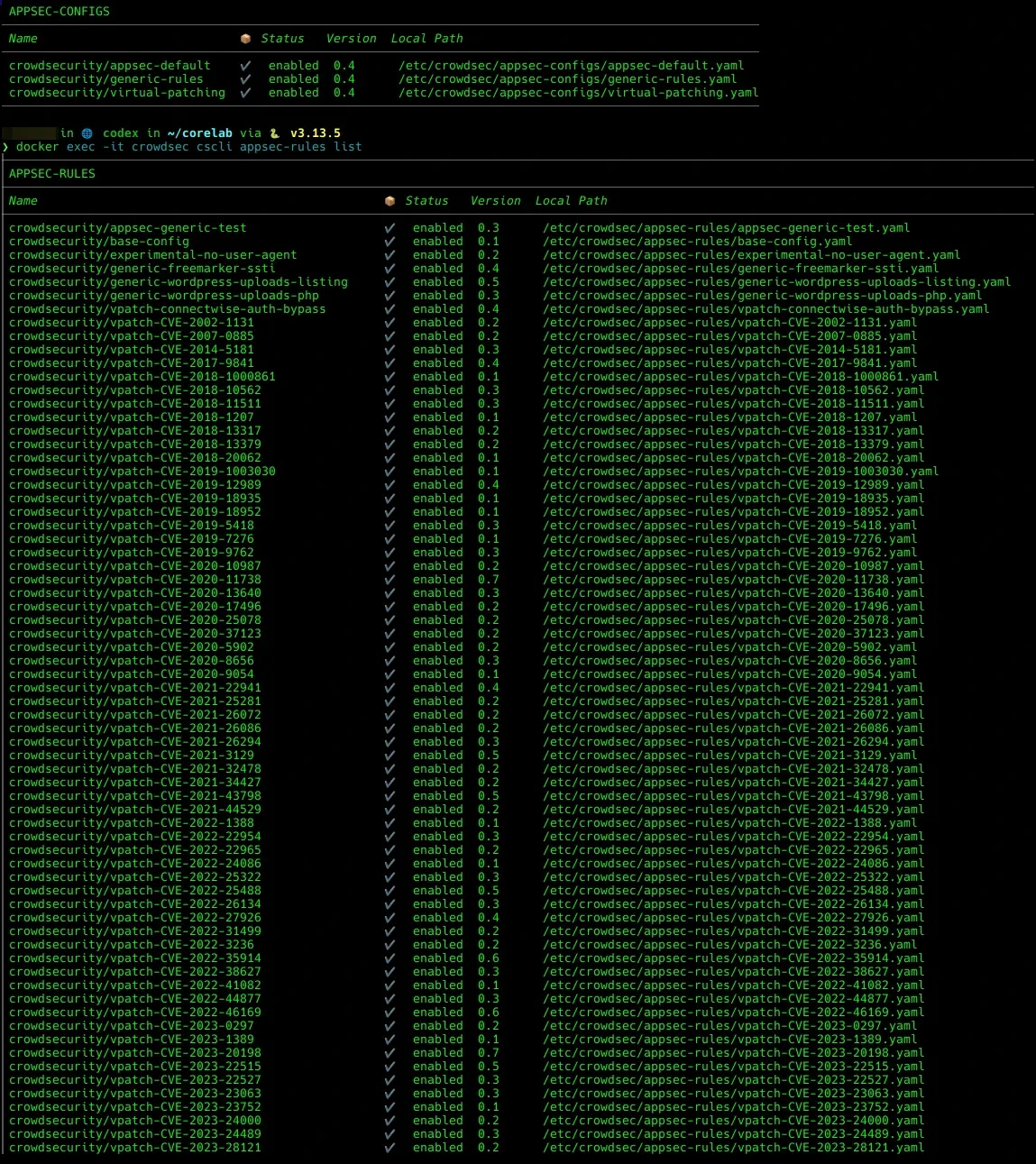
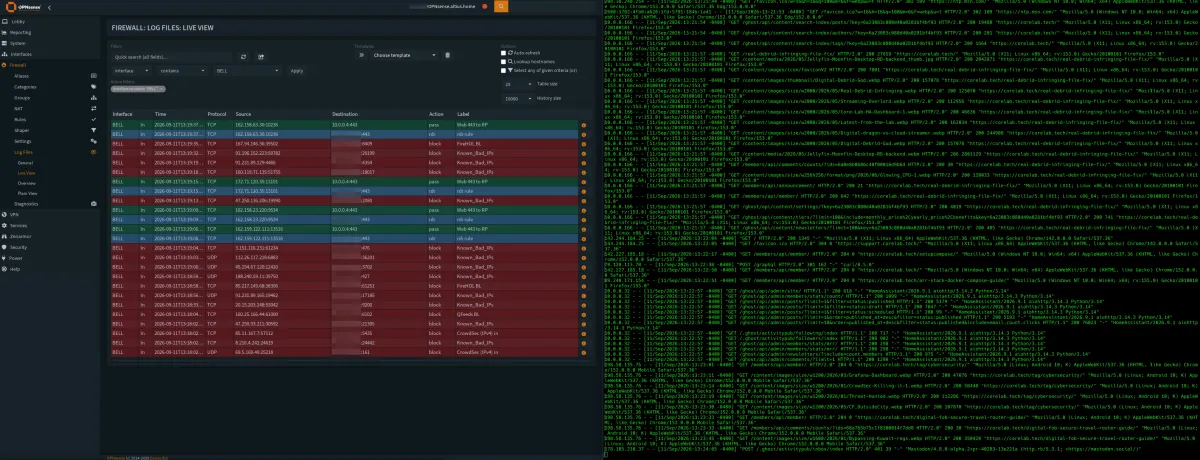
🚀 How to Deploy CrowdSec AppSec (WAF) with SWAG in Docker [🔒1-Week Early Access]
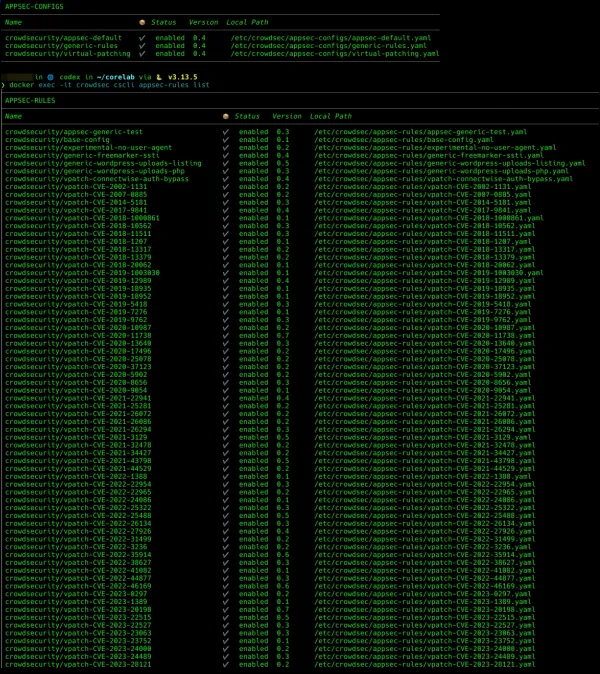
- This is a deep-dive into securing your reverse proxy. The official CrowdSec documentation completely breaks if you are running SWAG and CrowdSec in separate Docker containers. This guide shows you exactly how to bypass the "localhost trap," fix the persistent LinuxServer config wipes, and get the WAF actively blocking exploit payloads at the edge. Paid subscribers get exclusive early access to this guide for the first week!
 Core Lab Joe
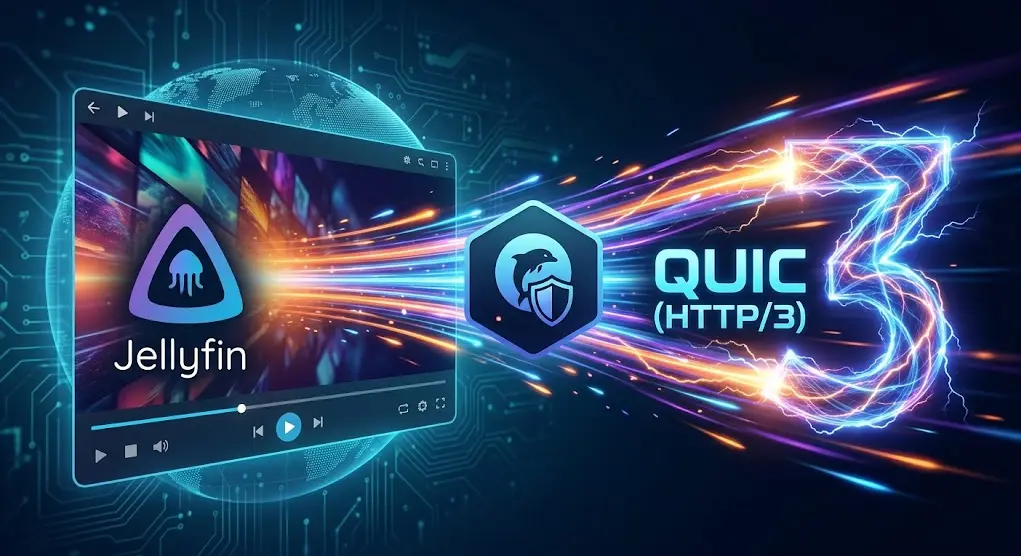
⚡ Turbocharge Jellyfin Streaming: Enabling QUIC
- Tired of buffering or dealing with TCP overhead when streaming massive 4K remuxes remotely? This guide walks you through enabling HTTP/3 and QUIC for Jellyfin. By switching to UDP-based streaming, you can drastically reduce latency and improve remote playback reliability.
 Core Lab Joe
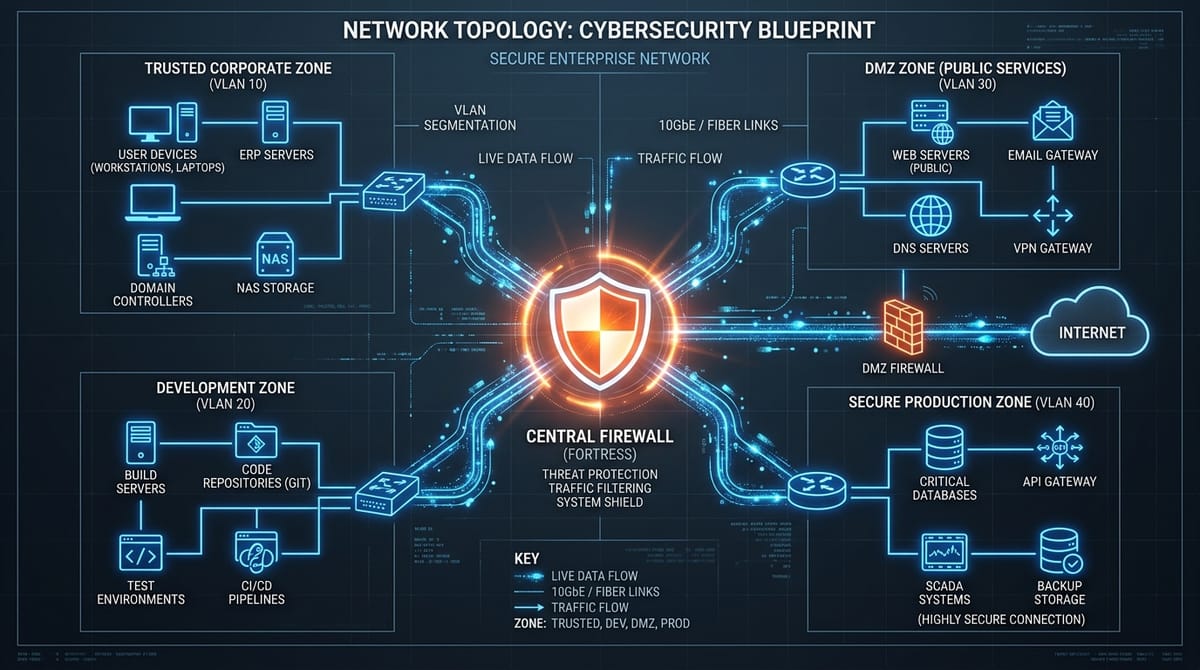
🛡️ Is Port Forwarding Safe? How to Expose your Homelab without getting hacked
- A must-read for anyone new to self-hosting. We break down the realities of opening ports on your router, the difference between a reverse proxy (like SWAG) and a VPN (like WireGuard), and the absolute non-negotiable security practices you need to follow before exposing any homelab service to the public internet.
 Core Lab Joe
That's all for this week! Stay secure and happy self-hosting.
Reminder - SWAG & OPNsense have underwent massive overhaul/re-writes this summer, so check back on those to ensure you're running optimally.
 Core Lab Joe
There is a LOT of good stuff coming this fall! 😉
Core Lab Reader Survey!
If you have a couple minutes, please hop over to the Core Lab Reader survey and give me your two cents about what you're interested in reading or learning about, what you'd like to see more of, and how Core Lab can better help you achieve your Home Lab / Self-Hosted happiness!
Thanks so much!
Written by
On this page
What's Next?

News from Core Lab: Theme Upgrades & PC Builds & Overhauls
Happy Friday! If things look a little different around here, it's because Core Lab just underwent a massive infrastructure upgrade on the front end. I've migrated the site to a new premium theme designed specifically to fix some of the UX friction you've experienced, when reading massive 3,000-5,000-word guides on small screens. A staggering 84% of Core Lab visitors are hitting the site on laptops or mobile devices, so it made sense to switch to something even more modest-screen friendly. As al