
New from Core Lab: Linux Gaming Showcas, 1 Year of Running A Tech Blog, more to come
It’s been an intense couple weeks in the Lab, but I've cooked up some great stuff... Today, I'm dropping a massive feature update with a side of 1 year stats. Whether you’re trying to squeeze every drop of performance out of your desktop, secure your home network against modern threats, or looking for the raw truth about running an independent tech site, I've got you covered.
If you've been following along, here’s what’s new in the lab. If you have even more to catch up on, jump back to the last update.
🎮 Performance Unlocked: The CachyOS Gaming Guide
 Core Lab Joe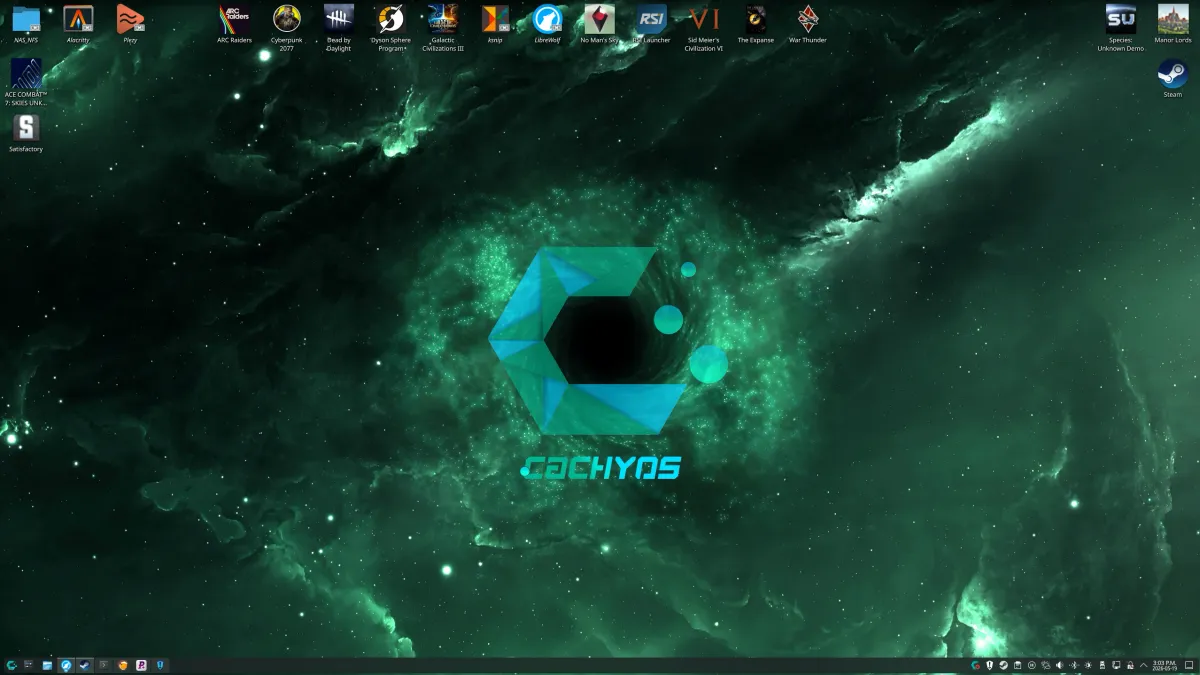
Linux gaming isn't just a viable alternative anymore - with the right distribution, it actively pushes the envelope. In my latest deep dive, we take a look at CachyOS, the Arch-based powerhouse that’s rapidly becoming the go-to choice for performance enthusiasts.
- Under the Hood: Why heavily optimized kernels and aggressive memory management actually make a tangible difference in frame rates and input latency.
- Safety Nets: How to leverage Hydra & Steam launch options without fear of breaking your daily driver.
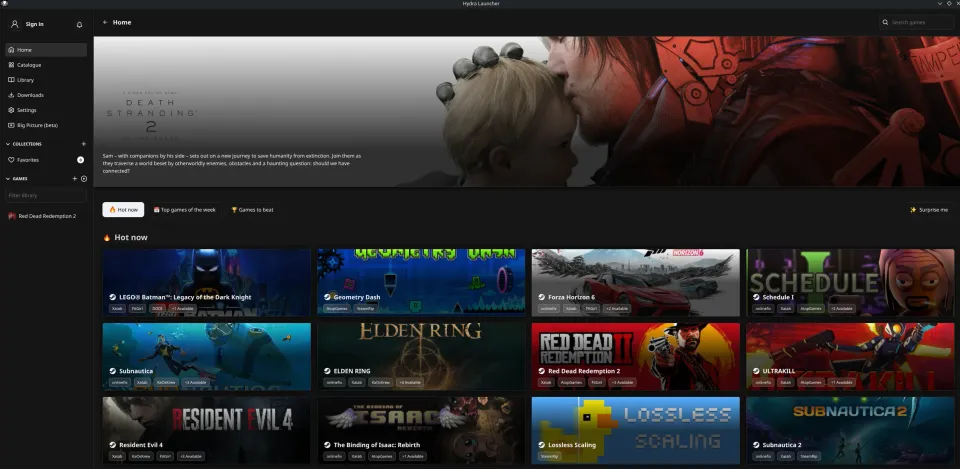
- Hydra What?!: If you game or are interested in gaming on Linux - you will NOT want to skip out on the Hydra instructions on this post! 🩶
- The Verdict: If you want a gaming environment that respects your privacy while maximizing your hardware, this is the definitive blueprint.
📉 Fighting the AI Slop: Year 1 Metrics, Costs, and Lessons-Learned Self-Hosting a Ghost Tech Blog
Core Lab Joe
The internet is currently drowning in low-effort, mass-produced AI content. One year ago, Core Lab set out to prove that authentic, battle-tested, human-written technical documentation still matters. Now, the "first-year" receipts are officially in, and I'm opening up the books completely.
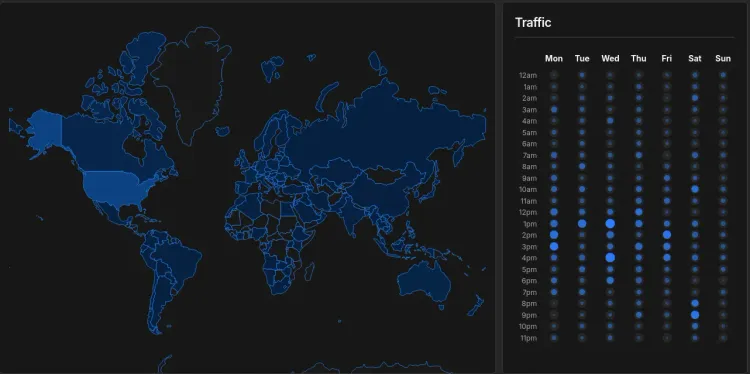
- The Real Hard Numbers: A transparent look at our exact hosting costs, resource consumption, and traffic metrics over the last 12 months. (Core Blog wasn't in existence until late 2025 so it wasn't a full 12 months!)
- Pragmatic Optimization: The technical friction of self-hosting a Ghost CMS, including how I optimized site delivery and overhauled our entire asset library with WebP conversion to keep pages loading instantly on lean infrastructure.
- The Hard Truths: What worked, what failed miserably, and how to build a genuine audience through SEO and affiliate marketing without sacrificing your technical integrity.
Catch up on the latest guides now over atcorelab.tech.
What are you auditing or optimizing in your lab this week? Drop a comment on the posts and let’s get into it. Stay secure, keep your hardware running hot, and thanks for supporting independent tech writing.
Coming Soon ™️ - 🛡️ The Homelab Audit: How to Scan & Pen Test Your Own Infrastructure
We spend countless hours building incredible self-hosted setups, deploying containers, and configuring storage. But when was the last time you actually tested your own defences? Better yet, how? This guide shifts the focus entirely to defensive security, showing you how to treat your home network with the same rigor as an enterprise environment.
- Vulnerability Scanning: A complete, hands-on walkthrough of deploying Greenbone Community Edition (OpenVAS) within your environment to map your internal attack surface.
- Auditing Scripts & Tweaks: Learn how to discover hidden misconfigurations in your Docker containers, audit network traffic, and ensure your firewall rules are actually doing what you think they are.
- The Goal: Stop guessing if your setup is secure. Learn how to think like an attacker so you can lock down your infrastructure before anyone else tries to.
This will be a big one, a cherry on the top and the type of post that many have been asking about. I'm taking a bit more time to polish it up further and make sure all of it is understandable, and most importantly, useful & functional.
Core Lab Reader Survey!
If you have a couple minutes, please hop over to the Core Lab Reader survey and give me your two cents about what you're interested in reading or learning about, what you'd like to see more of, and how Core Lab can better help you achieve your Home Lab / Self-Hosted happiness!
Thanks so much!
Member discussion