
Where to Buy Homelab Hardware in Canada (2026): Sources & Border-Tax Survival
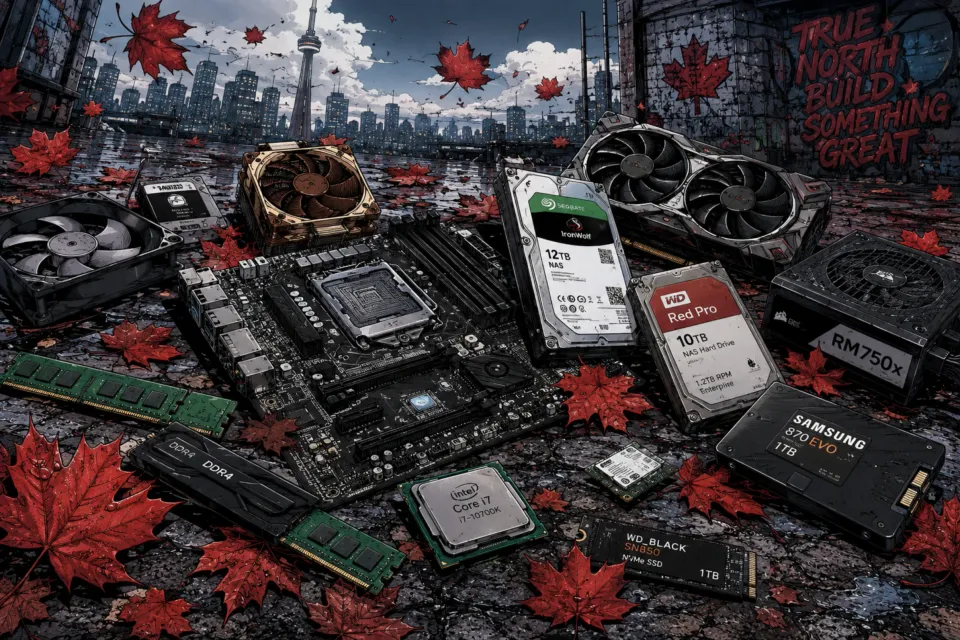
Sourcing homelab hardware in the Great White North has always meant fighting two enemies: the "Border Tax" and brutal shipping costs on heavy rackmount iron. In 2026 there is a third front, an active Canada and US tariff dispute that turns cross-border pricing into a moving target. This is the battle-tested list of Canadian sources I actually use, plus exactly how to dodge the worst of the border fees.
First, the 2026 Reality: A Volatile Border
Cross-border shopping got complicated this year. Since early 2026, Canada and the United States have been locked in an escalating tariff dispute, with new duties and retaliatory surtax lists appearing on both sides more than once. For a homelabber importing parts, the practical takeaway is not a single number, it is volatility.
The good news: bare computer components (motherboards, CPUs, RAM, drives, and cards, generally HS code 8473.30) are normally duty-free coming into Canada regardless of the political noise. The catch is twofold. You still owe your provincial GST/HST on the value, and Canada's retaliatory surtax lists can pull specific goods into scope with little warning. Before any large US order, take two minutes to check the current CBSA CUSMA and surtax status so a "deal" does not turn into a surprise bill at your door. When in doubt, buying from within Canada sidesteps the entire question.
Know Your De Minimis: The $40 and $150 Lines
If you do order from the US by courier (UPS, FedEx, DHL), CUSMA gives you two thresholds worth memorizing:
- Under CAD $40: no duty and no tax. A cheap cable or a fan clears clean.
- CAD $40 to $150: no duty, but you pay GST/HST. This covers a lot of small parts.
- Over CAD $150: duty applies (if the item is dutiable, most bare computer parts are not) plus GST/HST.
Note these thresholds apply to courier shipments from the US or Mexico specifically. Goods sent by postal mail (USPS handed to Canada Post) fall under the older CAD $20 rule, but in practice Canada Post charges a small flat handling fee instead of a courier's brokerage gouge, which is exactly why it is often the cheaper path. Full details: CBSA low-value shipment thresholds.
1. Used Enterprise Gear (The Command Center)
For heavy iron, Dell PowerEdge and HP ProLiant servers, buying inside Canada is almost always worth it just to avoid the brokerage and shipping on a 20 kg box.
- eBay Canada (Maravi, CalgaryComputerWholesale): two of the most reputable Canadian sellers for used enterprise servers. Buying domestically saves you the $100+ brokerage that UPS and FedEx tack onto US shipments.
- Used Enterprise parts are great finds on Ebay as well, such as HBA controllers!
- Kijiji and Facebook Marketplace: enterprise gear is heavy, so local pickup is king. Search "e-waste" or "IT asset recovery" in major hubs (Vancouver, Calgary, Edmonton, Toronto, Ottawa, Montreal, Halifax). The bigger the city, the better the pickings.
- GCSurplus and GovDeals: Canadian government auctions regularly dump decommissioned workstations and networking racks. You do not need to be a government agent to bid, and the starting prices can be absurd.
- Amazon: Sometimes Amazon has deals on used Enterprise gear but more often then not, it's more expensive on there.
2. New Hardware and Mini PCs (The Gatehouse)
- Memory Express: still the gold standard for Canadian builders. Their price-match will shave the difference against Canada Computers or Newegg.ca, and they offer a small additional discount for veterans and military.
- Canada Computers: excellent for walk-in stock of Fractal Design cases and high-capacity 3.5" drives. Caution: they disclosed a data breach in early 2026, so I would call to confirm stock and buy in-store rather than trusting online ordering for now.
- Newegg.ca: solid for components when Memory Express is out of stock, but always confirm the item ships from a Canadian warehouse, not a US third party.
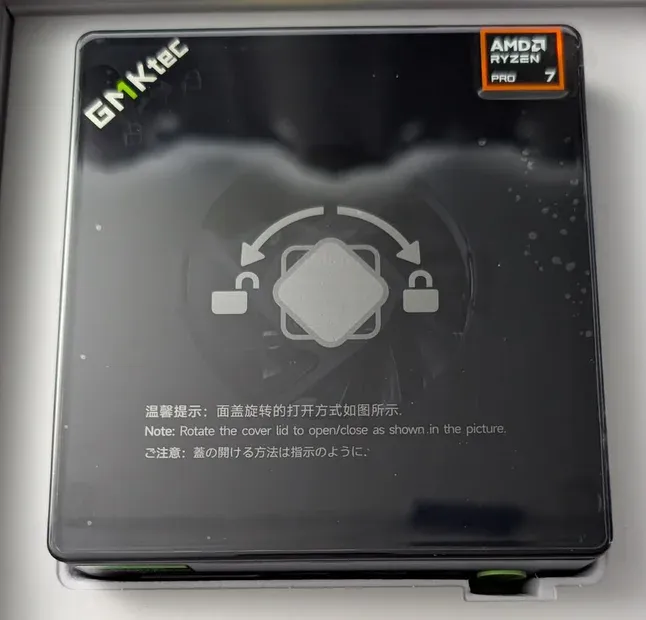
- Amazon.ca: for N150 and Ryzen mini PCs (GMKtec, Beelink, ACEMAGIC) it is often your only realistic option. Tactical tip: check the "Other Sellers" panel and pick a listing shipping from a Canadian warehouse to avoid surprise duties at the door.
3. Beating the Border Tax
Sometimes the US is the only source, for example ServerPartDeals or goHardDrive for recertified enterprise drives. When you have to cross the border:
- Choose USPS (Canada Post) over courier when you can. Canada Post's flat handling fee (around $10) is a fraction of UPS Standard or FedEx Ground brokerage, which can exceed $100 on a larger order.
- Make sure the declaration reads "computer parts" (HS 8473.30). These are normally duty-free; you should only be paying GST/HST, not a duty line!
- Kinek / border-town pickup: a last resort. It can dodge some fees, but it requires physically crossing into the US to collect your package, which invites its own questions and gas money.
Recertified Drives: The Canadian Value Play
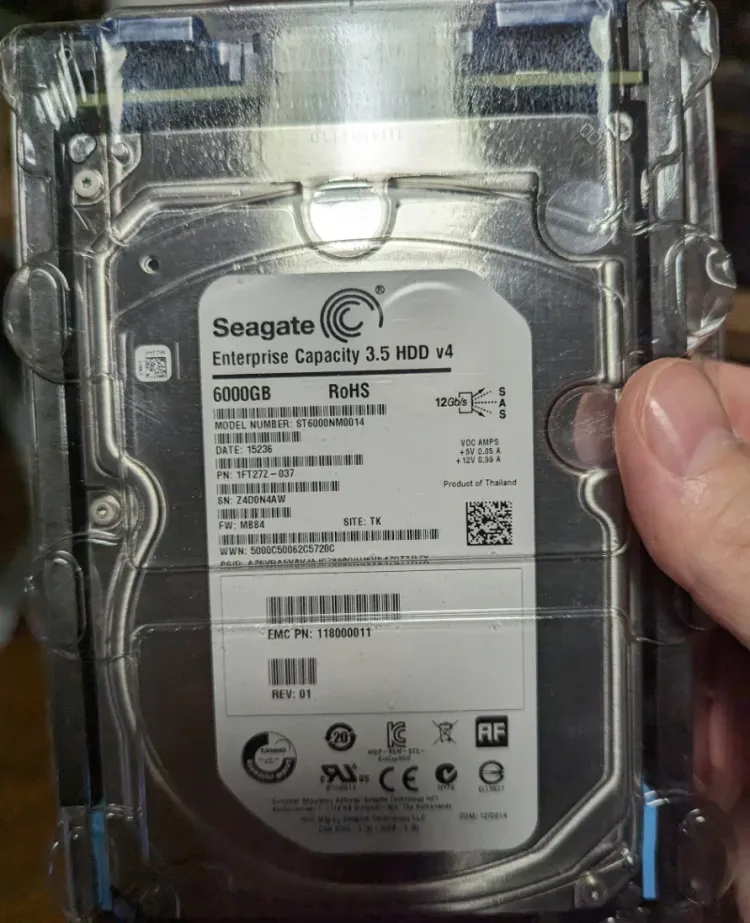
The single biggest cost-per-terabyte win for a Canadian NAS build is the recertified enterprise drive market. Because there is no strong domestic source, this usually means importing from US sellers like ServerPartDeals or goHardDrive and applying the border tactics above. It is worth its own deep dive, including which SAS and SATA models to trust and how to burn them in, which I cover in the Best NAS and Homelab Hard Drives guide.
Keep Building the Fortress
This is the Canadian sourcing companion to the wider hardware cluster. Continue with:
Homelab Hardware Guides
The Complete Guide · Start Here
Best Homelab Hardware Guide (2026)
The Gatehouse
Best Mini PCs for a Homelab
The Engine
Best Homelab Server CPUs: Intel vs AMD
The Vault
Best Pre-Built NAS for a Homelab
The Ammo
Best NAS & Homelab Hard Drives
The Uplink
Homelab Networking Gear Blueprint
The Supply Line (This post)
Where to Buy Homelab Hardware in Canada
Frequently Asked Questions
Do I pay duty on computer parts imported to Canada?
Usually not. Most bare computer components fall under HS code 8473.30, which is duty-free into Canada. You will still owe GST/HST on the value unless the courier shipment qualifies under the CAD $40 de minimis threshold. Retaliatory surtaxes during a trade dispute are the exception, so check the current CBSA status before a large order.
How do I avoid brokerage fees when importing to Canada?
Choose postal shipping (USPS handed to Canada Post) over courier services like UPS Standard or FedEx Ground whenever possible. Canada Post charges a small flat handling fee, while courier brokerage on a several-hundred-dollar order can exceed $100. Buying from a Canadian seller avoids brokerage entirely.
What is the de minimis threshold for imports to Canada?
For courier shipments from the US or Mexico under CUSMA, goods under CAD $40 are free of both duty and tax, and goods from CAD $40 to $150 are free of duty but still charged GST/HST. Postal shipments fall under an older CAD $20 rule but typically carry only a small flat handling fee.
Is it cheaper to buy homelab hardware in the US or Canada?
For heavy used enterprise gear, buying inside Canada usually wins once you add shipping and brokerage. For recertified drives and some niche parts, US sellers are cheaper even after taxes. For new mini PCs and mainstream components, Canadian retailers like Memory Express are competitive and skip the border risk entirely.
Member discussion