
Best Homelab Server CPUs (2026): Intel vs AMD Builds by Tier
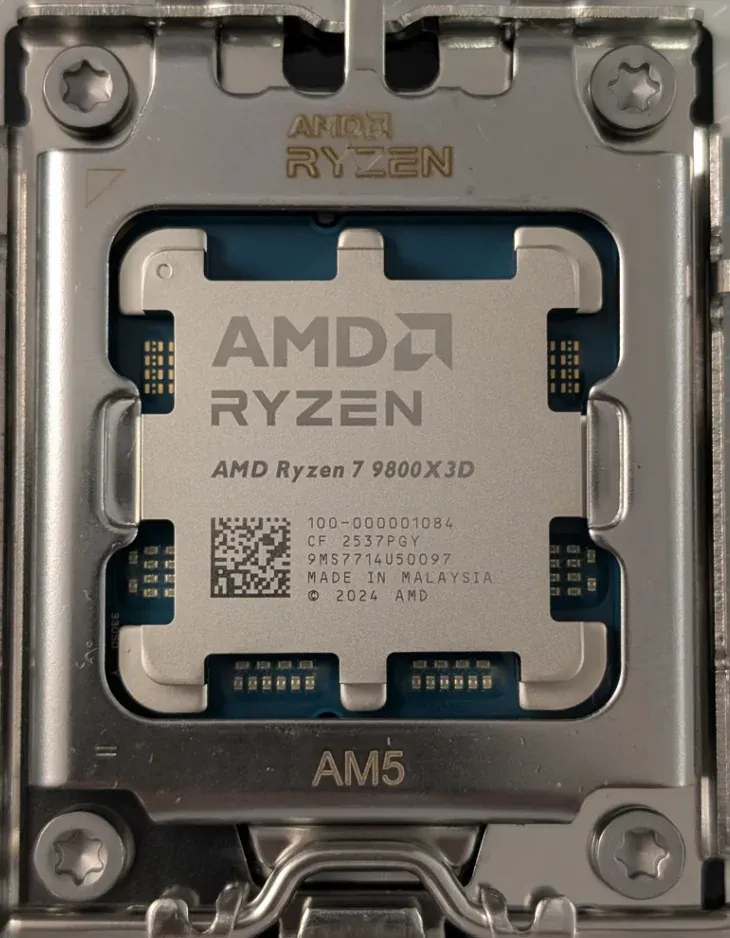
Choosing the best homelab server CPU comes down to your use cases, and since it's the engine of your homelab you want to do your research. The eternal question hasn't changed however: Intel or AMD? The honest answer is "it depends on the mission." Intel's Quick Sync remains the undisputed champion for Plex/Jellyfin hardware transcoding, while AMD's Ryzen brute-forces its way to victory on multi-core virtualization and AI workloads, and gaming server tasks.
Rather than crown a single winner, this guide lays out complete, balanced builds (CPU, chipset, and RAM) across low, medium, and high-end tiers for both camps. If your homelab is Plex-first, pair this with our Best Plex Server Hardware guide. (Jellyfin guide to come but hint: It'll be very similar)
Best CPUs for a Homelab Server
🖥️A Builds (Intel): The Streamers
This build remains the top recommendation for Plex/Jellyfin due to Intel's Quick Sync Video (QSV). However, for 2026, we are transitioning from the retired LGA1700 platform to the ultra-efficient LGA1851 (Core Ultra 200S series).
2026 Intel Builds
Low End Tier
Intel Core Ultra 225
The new LGA1851 "entry level". Perfect for basic self-hosting and has AV1 decoding!
Get This CPUMedium Tier
High End Tier
LGA 1700 2024/25 Intel Builds👇
Intel iGPU (Quick Sync) Builds — the budget-friendly, mature LGA1700 route.
Low End Tier
Medium Tier
High End Tier
Core Lab's Overall Current "Best" (Price/Performance!) Intel iGPU Chip:
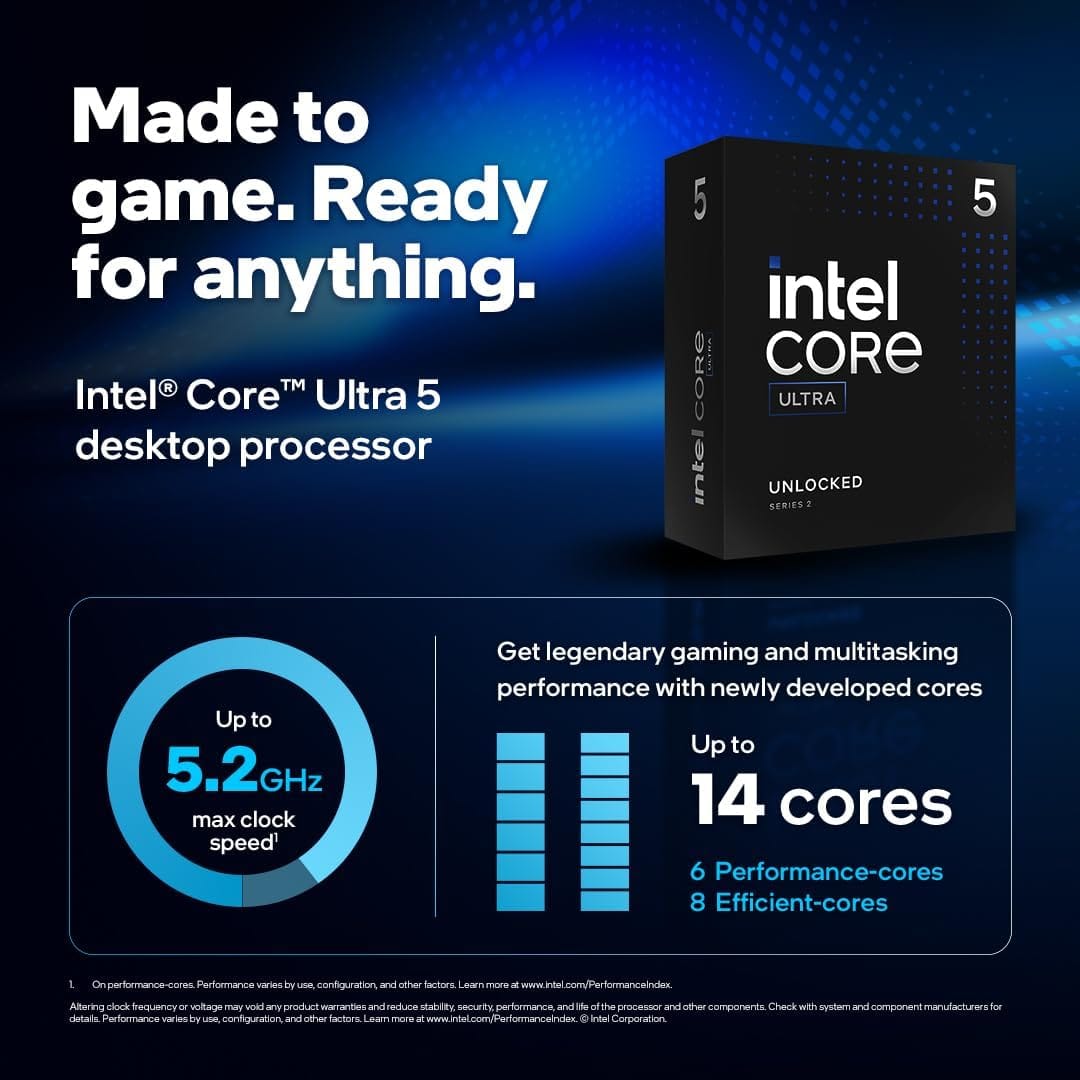
Why I love it in 2026: Intel finally fixed their power draw issues. Arrow Lake runs incredibly cool, and the updated Xe LPG graphics engine handles 4K AV1 tone-mapping without breaking a sweat. It's the ultimate media server foundation.
Core Lab's 2025 Overall "Best" (Price/performance!) Intel iGPU Chip:
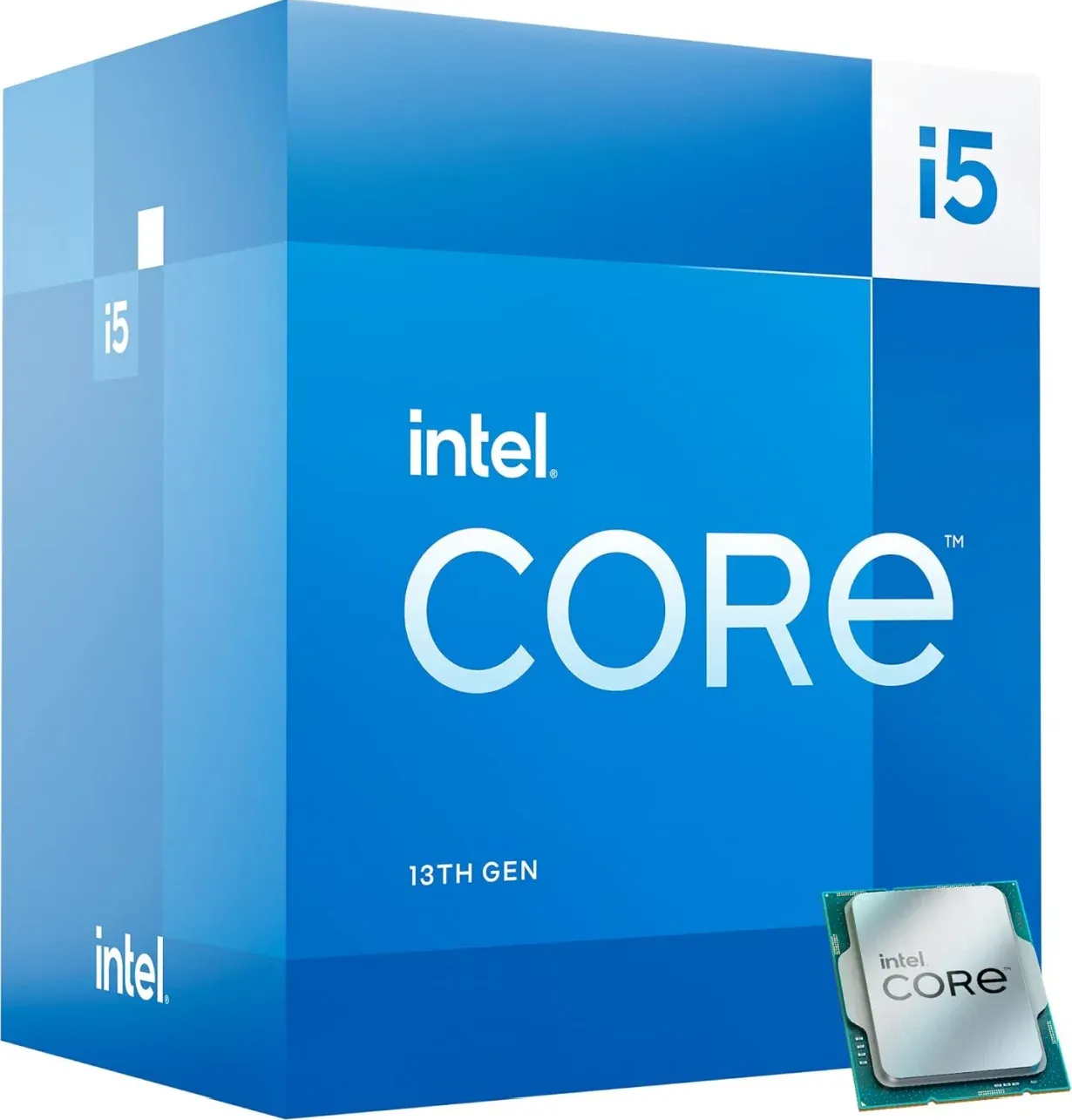
Intel Quicksync UHD770 (Same as 14th gen!), great power efficiency and strong overall performance. Massive bang for your bucks!
⚡Extra High End, NO limits!
| Device | Model | Reason |
|---|---|---|
| CPU | Intel i5-13600k | iGPU with built-in Quicksync transcoding hardware |
| Motherboard | SUPERMICRO MBD-X13SAE-F | IPMI + iGPU support. Enterprise grade motherboard |
| Case | Fractal Design Define 7 XL | Can hold up to 20! 3.5" drives for relatively affordable price. |
| Memory | 64GB DDR5 RAM | 64GB is enough to run my entire production stack as OMV7, 58+dockers, etc |
| Boot Drive | 2x Samsung 500GB M.2 NVMe SSD | Best to run your OS in RAID1 or ZFS mirror |
| HBA card | LSI 9305-16i HBA card | Connects up to 16 hard drives to a single PCIe 8x slot. |
| Power Supply | CORSAIR RM850x Fully Modular Low-Noise ATX Power Supply Gold | 850w is enough to never worry about it again. |
| Hard Drives | 6-12X whatever size you want! |
🔴B Builds: AMD Ryzen Brute Force
These builds are great all-rounders, especially for Jellyfin, which has better support for AMD's iGPU transcoding. The latest 8000G series includes modern AV1 support.
2026 AMD Builds
Low End Tier
Medium Tier
High End Tier
2024/2025 Builds (No GPU required)👇
AMD Ryzen iGPU (APU) Builds — integrated Radeon graphics, no discrete GPU needed.
Low End Tier
Medium Tier
High End Tier
Core Lab's Overall "Best" AMD Chip:
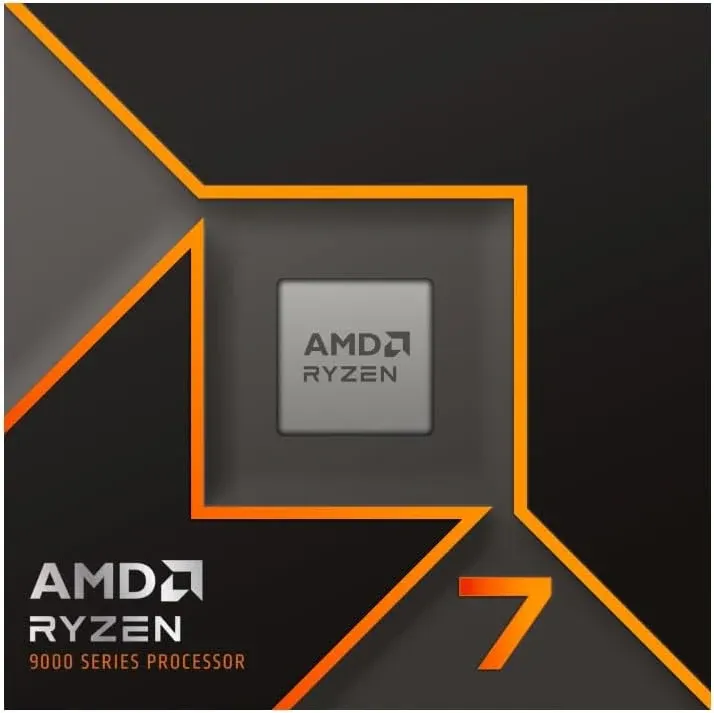
AMD Ryzen 7 9700X
- 8 Cores and 16 processing threads, based on AMD "Zen 5" architecture
- 5.5 GHz Max Boost, unlocked for overclocking, 40 MB cache, DDR5-5600 support
- For the state-of-the-art Socket AM5 platform, can support PCIe 5.0 on select motherboards
Why I love it in 2026: AMD dramatically lowered the TDP for the 9700X down to 65W out of the box. You get massive server-grade multi-core performance for Proxmox/VMs at a fraction of the heat. Note: Pair with a discrete GPU if you need heavy Plex transcoding.
Core Lab's Overall "Best" (Price/performance!) AMD iGPU Chip:
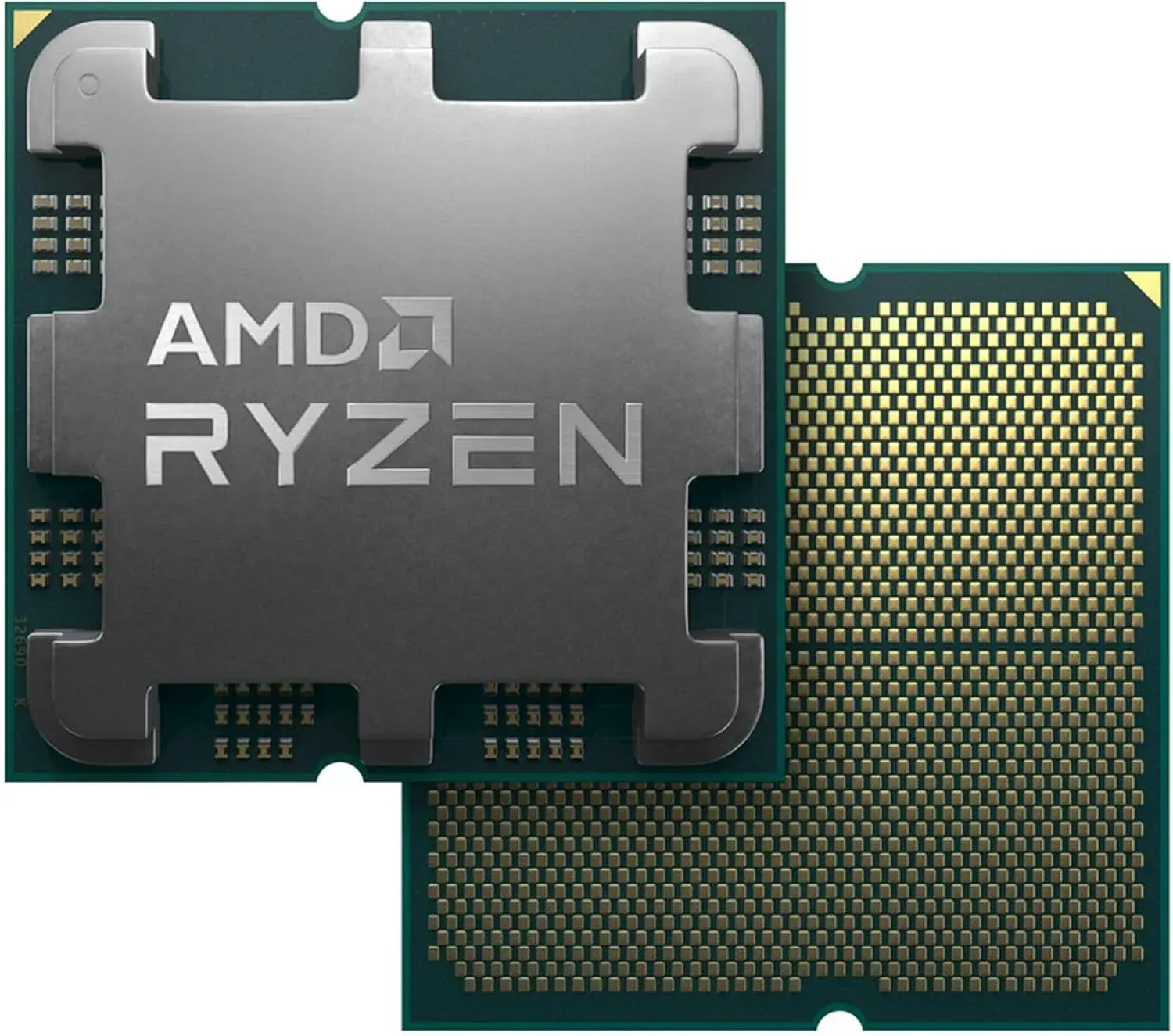
AMD Ryzen 7 8700G 8-Core, 16-Thread
5.1 GHz Max Boost, unlocked for overclocking, DDR5 support
Supports AV1 encoding which is neat, great for Jellyfin, not as great for Plex (yet!). Supports HDR tonemapping!
Comparison Table: Ryzen 7 8700G vs. Intel i5-13500k
| Feature | Ryzen 7 8700G | Intel i5-13500 |
| Best For | Jellyfin / 1080p Gaming | Plex / Pure Media Server |
| Transcode Engine | AMD AMF | Intel QuickSync (QSV) |
| AV1 Encoding | Yes | No (Decode only) |
| Tone Mapping | Great (Jellyfin/Linux) | Superior (Plex & Jellyfin) |
| Idle Power Draw | Very Low (~5-10W) | Low (~8-12W) |
| Platform | AM5 (Supported until 2027+) | LGA1700 (Dead Platform) |
Power Efficiency / Low Power Monsters - Loadout C: The Stealth Operator✨
- Mission: You need mass storage (NAS), but you live in an area with expensive electricity (or you just hate waste). You trade raw CPU power for silence and efficiency.
- The Core: Intel Core i3-12100 / i3-14100 (or N100 ITX Board).
- Why: Modern i3 chips idle at nearly the same wattage as a lightbulb. They are powerful enough to saturate a 2.5GbE link and transcode Plex, but they won't spin your power meter like a top.
- Power Profile: ~25W Idle (depending on drives).
Power Efficiency & Low Power Monsters
Builds focused on minimizing monthly electricity costs without sacrificing 24/7 uptime reliability.
Intel N100 / N305
(6W-15W TDP) The absolute gold standard for low power. Perfect for Home Assistant and 1-2 4K transcodes in a tiny footprint.
Check PriceCore i3-14100
(60W TDP) Combines industry-leading Quick Sync transcoding with incredibly low idle power draw for a full desktop platform.
Check PriceAMD Ryzen 7 7700
(65W TDP) A highly efficient 8-core CPU. Perfect for heavy virtualization where core count matters as much as the power bill.
Check PriceKeep Building the Fortress
This guide is one wing of the larger Homelab Hardware Guide. Continue your build with these companion resources:
Homelab Hardware Guides
The Complete Guide · Start Here
Best Homelab Hardware Guide (2026)
The Gatehouse
Best Mini PCs for a Homelab
The Engine (This post)
Best Homelab Server CPUs: Intel vs AMD
The Vault
Best Pre-Built NAS for a Homelab
The Ammo
Best NAS & Homelab Hard Drives
The Uplink
Homelab Networking Gear Blueprint
The Supply Line
Where to Buy Homelab Hardware in Canada
Frequently Asked Questions
Is Intel or AMD better for a homelab server?
Intel wins for Plex and Jellyfin media servers thanks to Quick Sync hardware transcoding, while AMD Ryzen chips offer more cores per dollar for virtualization and containers. Pick based on your primary workload.
How many CPU cores do I need for a homelab?
Most homelabs are overbuilt. A modern 6-core CPU comfortably runs dozens of Docker containers. Core count only becomes critical for heavy virtualization, many simultaneous VMs, or software transcoding.
Do I need ECC RAM for a homelab server?
ECC is beneficial for data integrity, especially with ZFS, but it is not required for most homelab use cases. If you want ECC on a consumer platform, AMD AM5 Ryzen chips support it on compatible boards.
Should I buy a used enterprise CPU or a new consumer chip?
New consumer chips like Intel Core Ultra and Ryzen 9000 usually win on power efficiency, single-thread speed, and noise. Used Xeon or Epyc gear gives huge core counts cheaply but costs more to run and is louder.
Member discussion